Grains
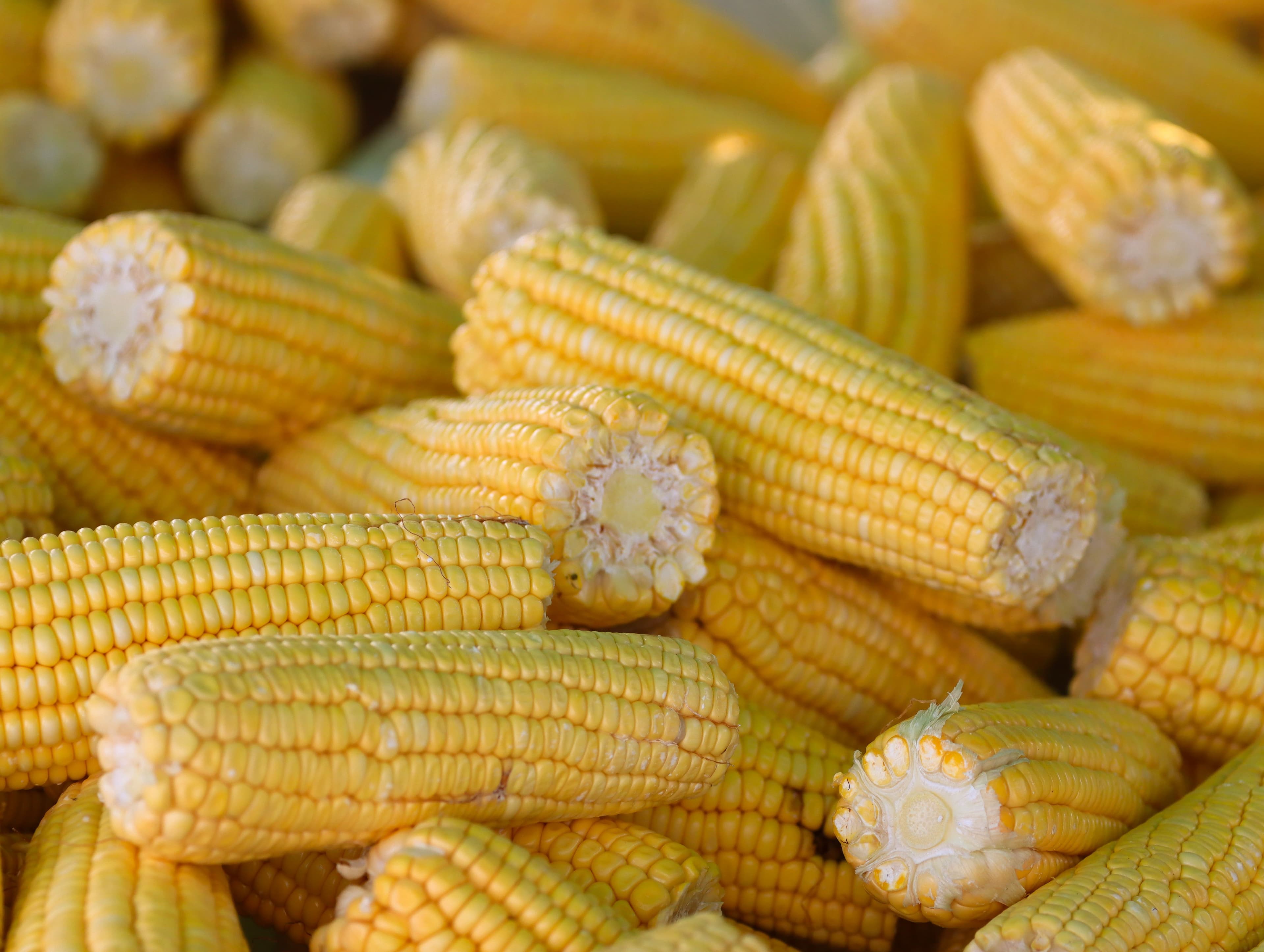
What buyers look for when assessing maize quality
A clear overview of moisture, cleanliness, grain condition, packaging, and the questions buyers may ask.
A clear overview of moisture, cleanliness, grain condition, packaging, and the questions buyers may ask.
01
Assess the grain itself
Maize buyers compare moisture, foreign matter, broken or discoloured kernels, insect damage, mould, odour, and intended use. Food, feed, seed, and industrial buyers may apply different specifications. Sample from several bags or points in a bulk lot; a handful from the top cannot represent the entire stock. Suspected mould or contamination needs qualified assessment, not visual reassurance alone.
02
State units without ambiguity
Describe bag weight and bag count separately, and state whether the weight is net or gross. For example, “80 bags, 50 kg net each” is clearer than “80 units.” Identify variety when known, harvest season, drying method, storage location, testing date, and whether the offer is one lot or a mixture of lots. Never use a laboratory result from another batch.
03
Protect quality in storage
Dry grain to an appropriate moisture level before sealed storage, using a calibrated meter where possible and local guidance for the intended storage method. Keep bags off floors and away from walls, inspect for leaks and pests, and follow first-in, first-out stock rotation. Do not apply unapproved pesticides to stored grain or sell treated grain before the required interval has passed.
Learn from trusted sources
Use these resources alongside advice from the relevant local agricultural, veterinary, food-safety, or public authority.
Educational information only. Product condition and agricultural requirements should be confirmed with appropriate local professionals.
Continue exploring